Voting With Your Wallet: Why Independence is the Pragmatic Choice for Scotland’s Economy
It’s easy to vote with your heart, but what about your head? It turns out the strongest case for Scottish independence isn’t emotional—it’s economic.
If you talk to passionate independence supporters, you will often hear about destiny, sovereignty, and righting historical wrongs. These are powerful motivators.
But if you talk to the average voter at the bus stop or in the supermarket aisle, the concerns are much more immediate. They ask how they will pay their mortgage next year, if their pension is safe, or what currency will be in their pocket.
These are not selfish questions. They are vital ones. For many people, the Union feels like a "safe bet" in uncertain times because it is a known quantity.
However, as we head further into 2026, the economic reality of the UK has changed drastically. The "safe bet" is not looking so safe anymore.
To achieve independence, the movement must prove that it is not just a romantic ideal but a necessary economic lifeboat. This is the pragmatic, hard-headed case for why personal finances might actually be better off in an independent Scotland.
1. The "Small Nation" Success Story
The UK often portrays Scotland as too small or too poor to survive on its own. This is economically illiterate when you look at our neighbors.
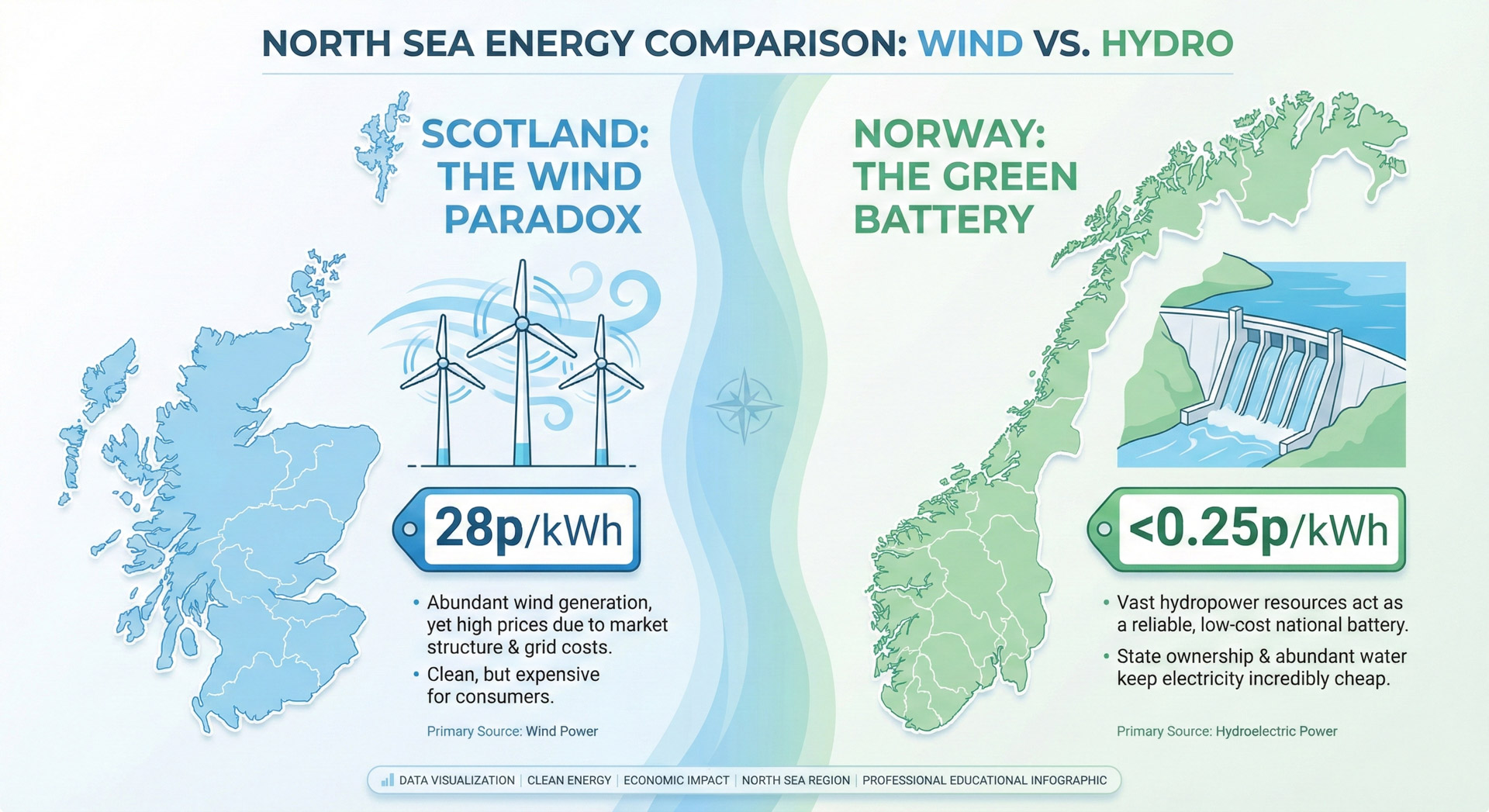
Countries like Denmark, Finland, and Ireland have similar populations to Scotland but far fewer natural resources. Yet they consistently outperform the UK. Meanwhile, Norway shares our vast oil and gas wealth but has used it to become one of the richest nations on earth rather than squandering it.
The data is clear:
- They are wealthier: According to World Bank data, nations like Ireland, Norway, and Denmark consistently rank far above the UK in GDP per capita.
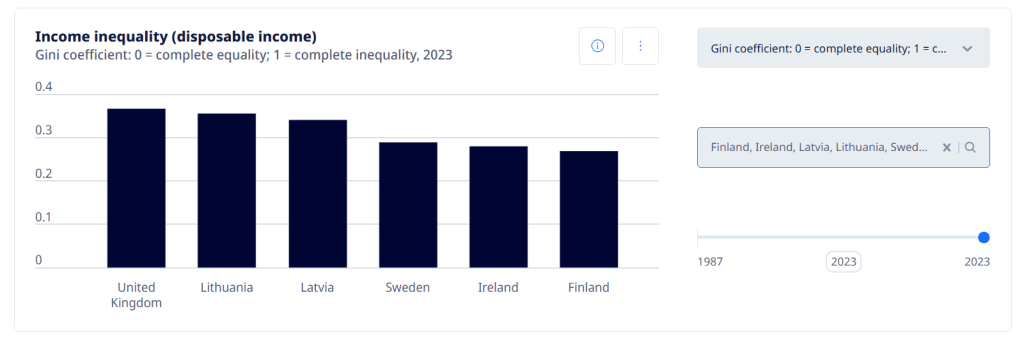
- They are fairer: The UK is one of the most unequal countries in Europe. In contrast, independent Nordic nations have lower income inequality and better social safety nets.
Why? Because they have the full toolkit of economic powers. They can tailor their tax systems and investments to suit their specific needs. Scotland is currently trying to fix a leak with one hand tied behind its back.
2. The Brexit Drain vs. The EU Gain
Six years on, the economic damage of Brexit is undeniable. Scotland, which voted decisively to remain, was dragged out of the world’s biggest single market against its will.
This has created massive trade friction for our exporters and driven up prices. Independence is now the only realistic route for Scotland to rejoin the European Union.
- The Cost of Brexit: The UK government's own watchdog, the Office for Budget Responsibility (OBR), predicts that Brexit will reduce the UK's potential productivity by 4%. This is a massive hit to the economy.
- Impact on Scotland: Scottish Government analysis estimates that Brexit could cost the Scottish economy up to £3 billion annually in lost trade.
The economic argument is simple. The UK offers isolation and stagnation while independence offers a return to the top table of European trade.
3. The Energy Powerhouse
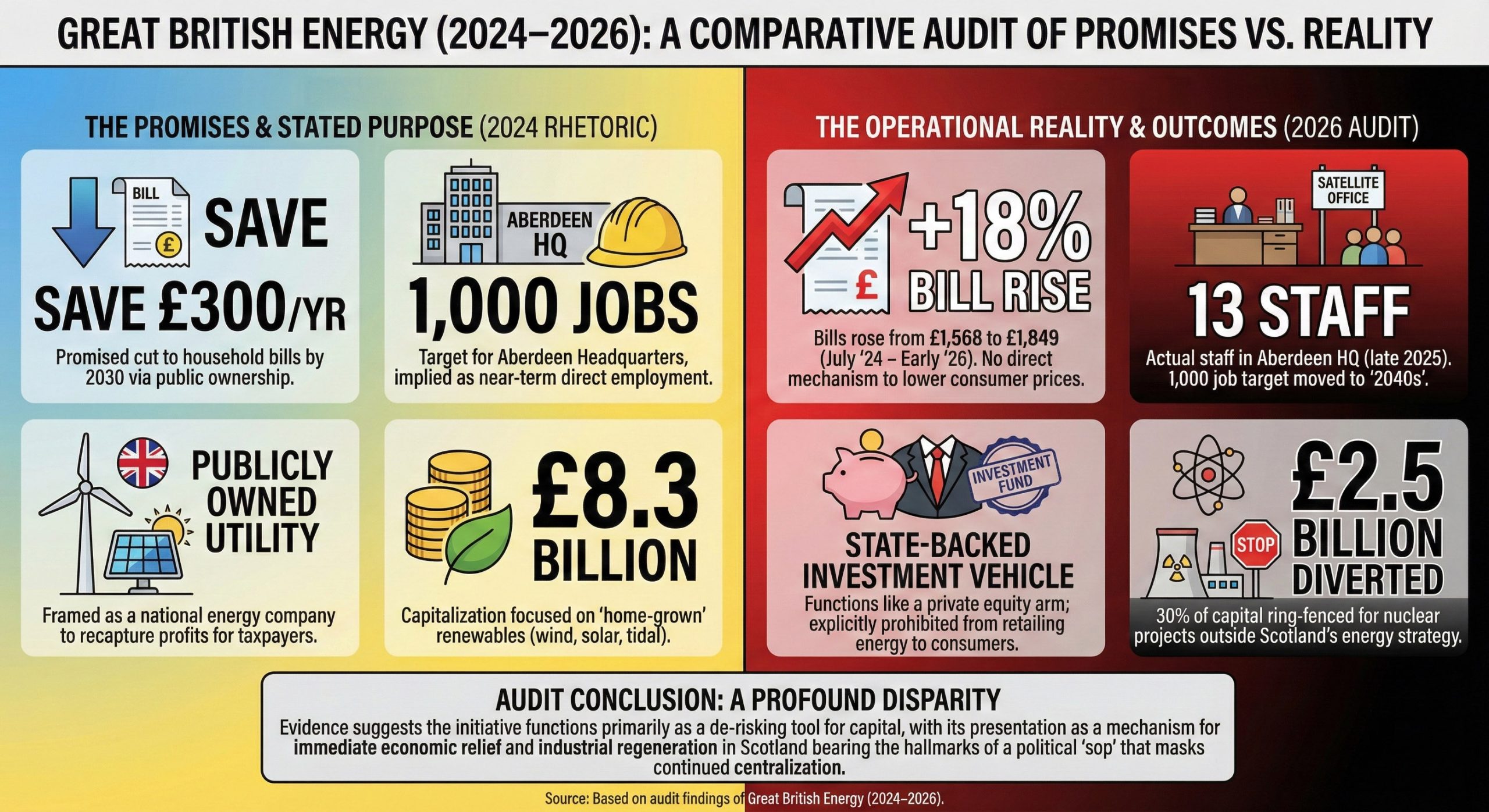
For decades, the debate hinged on fluctuating oil prices. While North Sea oil and gas remain assets during the transition, the real story is Scotland’s renewable dominance.
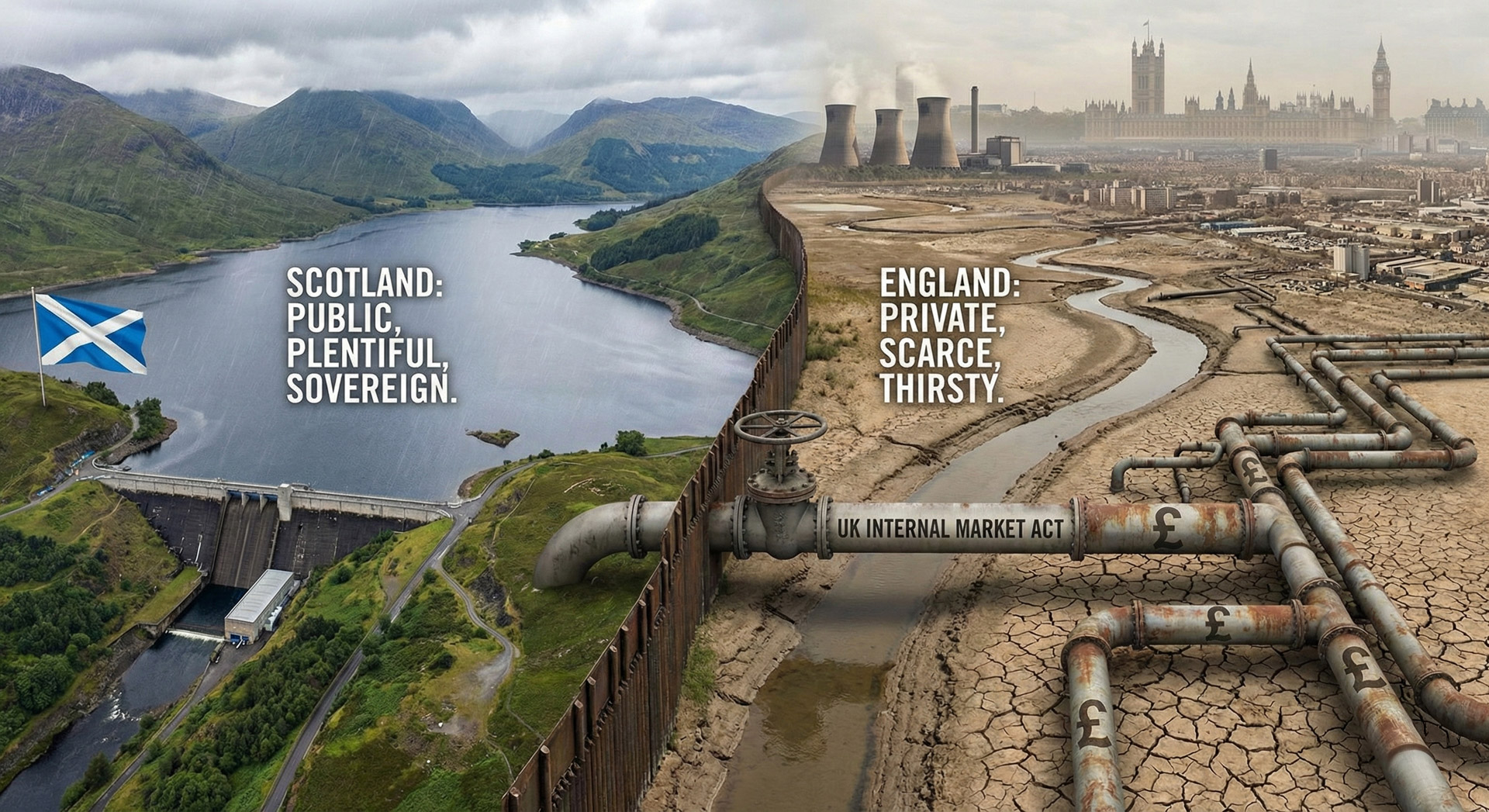
Scotland has some of the best wind, tidal, and water energy resources on the planet. We are already a net exporter of electricity to the rest of the UK.
- Renewable Capacity: In 2022, Scotland generated the equivalent of 113% of its overall electricity consumption from renewable technologies. We are powering ourselves and exporting the surplus.
- Future Tech: We are also home to the world’s leading tidal stream energy sector, a technology with massive future export potential.
Currently, energy policy is set by Westminster to suit the needs of the densely populated UK south. An independent Scotland would control its own energy destiny, prioritizing affordable domestic energy and maximizing income from exports.
4. The "Elephant in the Room": Pensions and Currency
Let’s address the biggest fears head-on.
Your Pension is Safe: The idea that you would lose your accumulated state pension is a scare story.
In 2014, the UK Pensions Minister, Steve Webb, confirmed to a Parliamentary committee hat people who have accumulated rights to the UK State Pension would be entitled to receive it, regardless of independence. This was widely reported at the time. Moving forward, an independent Scotland is perfectly capable of funding a state pension, just as Ireland and Denmark do.
The Currency Plan: We would not wake up with worthless money. The established plan is a managed transition. The Scottish Government proposes using Sterling immediately after independence before moving to a new Scottish currency once strict economic tests are met. This is the normal process for new nations.
Conclusion: The Real Risk is Doing Nothing
The UK economy is trapped in a cycle of low growth, high inequality, and declining public services. Continuing on this path is a choice to accept gradual decline.
Independence carries challenges, absolutely. Building a new state requires hard work and difficult negotiations.
But it also offers the only viable escape route from a failing UK economic model. It is the chance to build an economy that looks more like Scandinavia and less like the struggling UK.
Voting for independence is not just about waving a flag. It is about securing the economic tools to ensure a better standard of living for you and your family. It is not just the heart choice. It is the smart choice.